
SELECTION GUIDE | SHOCK LOAD + CHAIN SPEED
How to Choose a Chain Tensioner for Heavy Shock and Pulsating Loads
Select a tensioner by checking shock load, chain speed, drive geometry, operating duty, and available working travel—not by product appearance alone.

Shock duty is defined by torque peaks, rate of load change, start-stop frequency, and occasional jams rather than by steady motor power alone. This evidence helps decide whether selection of a chain tensioner for heavy shock and pulsating loads calls for adjustment, component correction, or replacement.
A pulsating machine can excite the slack strand at the repetition rate of the driven mechanism, creating whipping even when average chain force is within normal limits. Relate the observation to tensioner travel, then verify it again during the operating check.
BEVOR SIE AUSWÄHLEN
Do not select the tensioner yet. First capture shock load, chain speed, chain route, load behavior, remaining take-up space, and the maintenance access needed after installation.
chain tensioner guidance for selection of a chain tensioner for heavy shock and pulsating loads
Operating Conditions That Control Shock Load
A tensioner that repeatedly reaches an end stop converts compliant motion into impact; reserve travel and damping are therefore as important as nominal spring force. Use the finding to validate working travel rather than relying on visible chain tightness.
Mounting bolts and brackets must carry cyclic reaction loads without loosening or fatigue; thin sheet-metal mounting can invalidate an otherwise robust tensioner selection. For selection of a chain tensioner for heavy shock and pulsating loads, treat tensioner travel as an independently recorded parameter prior to repositioning the tensioning unit.
- Stoßbelastung
- Confirm shock load from a drawing or field reading, then identify that source in the selection of a chain tensioner for heavy shock and pulsating loads record.
- Kettengeschwindigkeit
- Inspect chain speed on the actual machine and retain the measurement basis for later comparison.
- Arbeitsreisen
- Dokumentieren Sie die Arbeitswege mit ihren Referenzpunkten, damit ein anderer Techniker die Überprüfung wiederholen kann.
- Spannerweg
- Vergleichen Sie den Spannweg mit dem Sollwert des Antriebs und notieren Sie sowohl den Wert als auch dessen Ursprung.
Geometrie und Schnittstellen zur Überprüfung
Consider whether an overload clutch, torque limiter, soft start, or process correction is needed because the tensioner is not the device that should absorb a drivetrain jam. Use shock load as a traceable check in this selection of a chain tensioner for heavy shock and pulsating loads assessment.
- →Primärprüfung: A pulsating machine can excite the slack strand at the repetition rate of the driven mechanism, creating whipping even when average chain force is within normal limits.
- →Zustandsprüfung: Mounting bolts and brackets must carry cyclic reaction loads without loosening or fatigue; thin sheet-metal mounting can invalidate an otherwise robust tensioner selection.
- →Geometrieprüfung: A toothed idler subjected to repeated load transfer needs adequate tooth engagement and bearing support so shock is not concentrated at a small contact zone.
- →Funktionsprüfung: Commission with the real pulsing or indexing cycle and inspect witness marks after the run to confirm that the chain stays within the intended path.
- →Dokumentenprüfung: record selection of a chain tensioner for heavy shock and pulsating loads with the measurement references and the final tensioner position.

Vergleich der Spannrollenkonzepte mit der Pflicht
A toothed idler subjected to repeated load transfer needs adequate tooth engagement and bearing support so shock is not concentrated at a small contact zone. Keep the original datum for chain speed so the finding can be reproduced after the change.
| Antriebszustand | Nachweis | Warum es wichtig ist |
|---|---|---|
| Lastschwere | Shock duty is defined by torque peaks, rate of load change, start-stop frequency, and. | Consider whether an overload clutch, torque limiter, soft start, or process correction is. |
| Kettengeschwindigkeit | A pulsating machine can excite the slack strand at the repetition rate of the. | A toothed idler subjected to repeated load transfer needs adequate tooth engagement and. |
| Arbeitsreisen | A tensioner that repeatedly reaches an end stop converts compliant motion into impact; reserve. | Check chain joints and sprocket teeth for existing impact damage before installing a. |
| Ausrichtung | Mounting bolts and brackets must carry cyclic reaction loads without loosening or fatigue; thin. | Commission with the real pulsing or indexing cycle and inspect witness marks after. |
| Verschleißdehnung | Consider whether an overload clutch, torque limiter, soft start, or process correction is needed. | Shock duty is defined by torque peaks, rate of load change, start-stop frequency. |
| Schmierung | A toothed idler subjected to repeated load transfer needs adequate tooth engagement and bearing. | A pulsating machine can excite the slack strand at the repetition rate of. |
| Feldbeobachtungen sind als Eingangsdaten zu betrachten; die vom Hersteller festgelegten Grenzwerte gelten weiterhin für Drehmoment, Verschleiß, Nennwerte und Hub. | ||
Selection Sequence for Selection Of A Chain Tensioner For Heavy Shock And Pulsating Loads
Check chain joints and sprocket teeth for existing impact damage before installing a new tensioner, otherwise the new component may be blamed for a pre-existing failure. This evidence helps decide whether selection of a chain tensioner for heavy shock and pulsating loads calls for adjustment, component correction, or replacement.
- 01Stoßbelastung erfassen
A pulsating machine can excite the slack strand at the repetition rate of the driven mechanism, creating whipping even when average chain force is. - 02Kartenkettengeschwindigkeit
A tensioner that repeatedly reaches an end stop converts compliant motion into impact; reserve travel and damping are therefore as important as nominal spring. - 03Arbeitsreisen prüfen
Mounting bolts and brackets must carry cyclic reaction loads without loosening or fatigue; thin sheet-metal mounting can invalidate an otherwise robust tensioner selection. - 04Vergleichen Sie den Spannerweg
Consider whether an overload clutch, torque limiter, soft start, or process correction is needed because the tensioner is not the device that should absorb. - 05Stoßbelastung einstellen
A toothed idler subjected to repeated load transfer needs adequate tooth engagement and bearing support so shock is not concentrated at a small contact. - 06Kettengeschwindigkeit überprüfen
Check chain joints and sprocket teeth for existing impact damage before installing a new tensioner, otherwise the new component may be blamed for a.
Commission with the real pulsing or indexing cycle and inspect witness marks after the run to confirm that the chain stays within the intended path. For selection of a chain tensioner for heavy shock and pulsating loads, treat tensioner travel as an independently recorded parameter prior to repositioning the tensioning unit.

Risiken, die die Auswahl verändern
The decision should reconcile shock load, chain speed, chain/sprocket condition, available tensioner travel, and the operating cycle. A visually taut strand alone is not proof of a correct setup.
Record the starting position and remaining travel, then compare shock load and chain speed after the tensioner has settled in service.
Avoid appearance-based selection for selection of a chain tensioner for heavy shock and pulsating loads; verify geometry, ratings, working travel, and environmental limits from the applicable data.
Freigabeprüfungen vor der Bestellung
Release data for selection of a chain tensioner for heavy shock and pulsating loads must separate measured field conditions from manufacturer-defined limits such as torque, wear allowance, working travel, lubrication, load/speed rating, and temperature range.
Um die Entscheidung auf Fahrebene zu halten, vergleichen Sie Konstruktion eines Kraftübertragungskettenantriebs with the planned tensioner position and the recorded shock load.
Der nächste Schritt ist der Vergleich. tensioner options for selection of a chain tensioner for heavy shock and pulsating loads with the recorded geometry, duty, shock load, and maintenance access.
- ✓Shock Load: A pulsating machine can excite the slack strand at the repetition rate of the driven mechanism.
- →Chain Speed: Mounting bolts and brackets must carry cyclic reaction loads without loosening or fatigue; thin sheet-metal mounting.
- ◆Working Travel: A toothed idler subjected to repeated load transfer needs adequate tooth engagement and bearing support so.
- ✓Tensioner Travel: Commission with the real pulsing or indexing cycle and inspect witness marks after the run to.
- →Shock Load: A pulsating machine can excite the slack strand at the repetition rate of the driven mechanism.
FAQ: Selection Of A Chain Tensioner For Heavy Shock And Pulsating Loads
Record the final condition: chain designation, shock load, chain speed, contact position, remaining travel, direction of motion, and the result of the run check. In this article, apply that check specifically to selection of a chain tensioner for heavy shock and pulsating loads.
For conditions outside standard catalogue use, record chain data, shock load, chain speed, geometry, duty cycle, and a clear machine photo. request a review for selection of a chain tensioner for heavy shock and pulsating loads zur technischen Überprüfung.
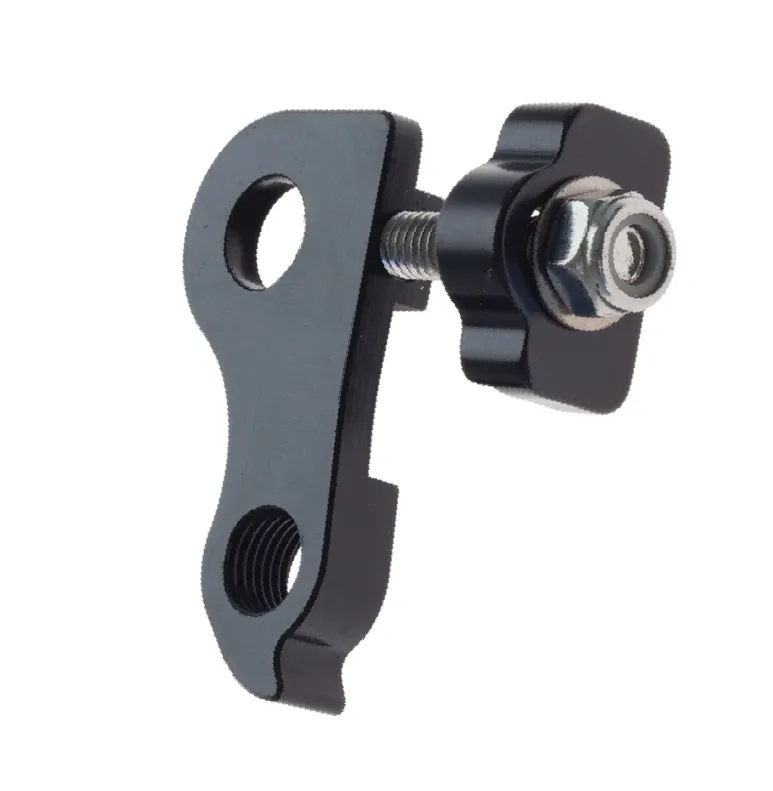
Prepare the RFQ for Selection Of A Chain Tensioner For Heavy Shock And Pulsating Loads
Which installed-drive check comes first for selection of a chain tensioner for heavy shock and pulsating loads?
Mounting bolts and brackets must carry cyclic reaction loads without loosening or fatigue; thin sheet-metal mounting can invalidate an otherwise robust tensioner. Use chain speed and the as-built chain path to validate the first measurement before selecting a corrective action.
What else must be checked with shock load?
Consider whether an overload clutch, torque limiter, soft start, or process correction is needed because the tensioner is not the device that. Combine shock load with chain speed, drive alignment, wear condition, remaining travel, and operating dynamics.
Welches Symptom sollte vor dem Spannen eine Reparatur oder Ausrichtungsarbeit auslösen?
A toothed idler subjected to repeated load transfer needs adequate tooth engagement and bearing support so shock is not concentrated at a. Repair first when the inspection identifies physical damage, alignment error, or end-of-life wear rather than ordinary slack.
How can chain speed be confirmed with a repeatable run check?
Check chain joints and sprocket teeth for existing impact damage before installing a new tensioner, otherwise the new component may be blamed. During the trial run, compare chain speed with its initial datum and watch the contact element for stability and adequate travel reserve.
Wann sollte sich die Wartung auf die Kette oder das Ritzel und nicht auf die Kettenaufnahme konzentrieren?
Commission with the real pulsing or indexing cycle and inspect witness marks after the run to confirm that the chain stays within. Replacement is the safer service choice when a documented limit is exceeded or the component cannot maintain the required running geometry.
Welche modellspezifischen Werte bestimmen die endgültige Abnahme?
Acceptance values for selection of a chain tensioner for heavy shock and pulsating loads must come from the exact chain/tensioner and equipment information, not an assumed universal number.
Prepare the RFQ for Selection Of A Chain Tensioner For Heavy Shock And Pulsating Loads
The specification for selection of a chain tensioner for heavy shock and pulsating loads should identify the chain, shock load, chain speed, sprocket arrangement, normal duty, direction changes, envelope, and maintenance access.


