
SELECTION GUIDE | CONTAMINATION + PIN-AND-BUSH JOINT
Cómo seleccionar tensores de cadena resistentes a la corrosión para equipos húmedos y lavables.
Select a tensioner by checking contamination, pin-and-bush joint, drive geometry, operating duty, and available working travel—not by product appearance alone. In this article, apply that check specifically to selection of corrosion-resistant chain tensioners for wet and washdown equipment.

Wet and washdown equipment exposes the tensioner to water, cleaning chemicals, temperature changes, and lubricant removal, so corrosion resistance must include more than the visible housing. Log the condition with chain pitch before changing tensioner position or travel.
Fasteners, springs, bearing races, shafts, spacers, and contact elements can corrode at different rates; a stainless outer body does not guarantee a corrosion-resistant assembly. For selection of corrosion-resistant chain tensioners for wet and washdown equipment, treat pin-and-bush joint as a distinct inspection input before any tensioner movement is made.
ANTES DE AJUSTAR
Begin with the installed drive: document contamination, pin-and-bush joint, chain/sprocket condition, direction of travel, available space, and service access. In this article, apply that check specifically to selection of corrosion-resistant chain tensioners for wet and washdown equipment.
Operating Conditions That Control Contamination
Material selection should account for the actual cleaning chemistry and concentration because stainless grades, polymers, coatings, and elastomers have different compatibility limits. Use chain pitch as a traceable check in this selection of corrosion-resistant chain tensioners for wet and washdown equipment assessment.
Washdown can strip lubricant from roller-chain joints, so the maintenance plan must define an approved relubrication method or a chain specifically designed for the process constraints. Keep the original datum for tensioner travel so the finding can be reproduced after the change.
- Contaminación
- Documente la contaminación con sus puntos de referencia para que otro técnico pueda repetir la comprobación.
- Junta de pasador y casquillo
- Check pin-and-bush joint against the as-built drive, recording both the value and where it came from.
- Paso de cadena
- Capture chain pitch before any adjustment and tie the observation to the installed geometry.
- Recorrido del tensor
- Verifique el recorrido del tensor utilizando los datos de la máquina, del plano o del producto; guarde la referencia elegida en el archivo de trabajo.
Geometría e interfaces para verificar
Avoid crevices that trap liquid where hygienic cleaning or corrosion control matters, and make sure the tensioner can drain rather than hold wash solution around a bearing. This evidence helps decide whether selection of corrosion-resistant chain tensioners for wet and washdown equipment calls for adjustment, component correction, or replacement.
- →Verificación primaria: Washdown can strip lubricant from roller-chain joints, so the maintenance plan must define an approved relubrication method or a chain specifically designed for the process constraints.
- →Verificación de estado: If a polymer shoe is used, verify chemical resistance, wear rate, temperature range, and whether the process permits the material near the product zone.
- →Comprobación geométrica: Specify the environment with cleaning frequency, chemical names, temperature, splash pressure, corrosion history, and lubrication restrictions before choosing a material package.
- →Verificación de funcionamiento: Fasteners, springs, bearing races, shafts, spacers, and contact elements can corrode at different rates; a stainless outer body does not guarantee a corrosion-resistant assembly.
- →Verificación de la documentación: record selection of corrosion-resistant chain tensioners for wet and washdown equipment with the measurement references and the final tensioner position.
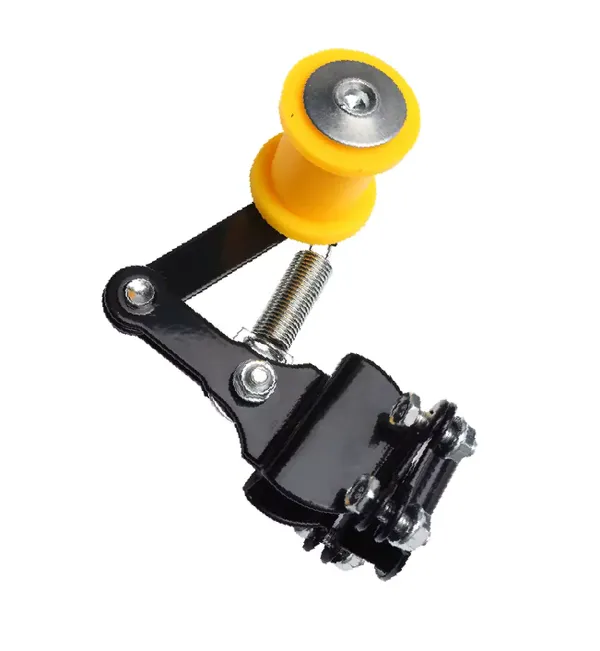
Comparar conceptos de tensores con el deber
If a polymer shoe is used, verify chemical resistance, wear rate, temperature range, and whether the process permits the material near the product zone. For selection of corrosion-resistant chain tensioners for wet and washdown equipment, treat pin-and-bush joint as a distinct inspection input before any tensioner movement is made.
| Punto de control | De dónde provienen las pruebas | Consecuencia de la decisión |
|---|---|---|
| Ambiente | Wet and washdown equipment exposes the tensioner to water, cleaning chemicals, temperature changes, and. | Avoid crevices that trap liquid where hygienic cleaning or corrosion control matters, and. |
| Lubricación | Fasteners, springs, bearing races, shafts, spacers, and contact elements can corrode at different rates. | If a polymer shoe is used, verify chemical resistance, wear rate, temperature range. |
| Interfaz de cadena | Material selection should account for the actual cleaning chemistry and concentration because stainless grades. | Galvanic interaction can matter when dissimilar metals stay wet; mounting hardware and frame. |
| Alineación | Washdown can strip lubricant from roller-chain joints, so the maintenance plan must define an. | Specify the environment with cleaning frequency, chemical names, temperature, splash pressure, corrosion history. |
| Alargamiento por desgaste | Avoid crevices that trap liquid where hygienic cleaning or corrosion control matters, and make. | Wet and washdown equipment exposes the tensioner to water, cleaning chemicals, temperature changes. |
| Viajes de trabajo | If a polymer shoe is used, verify chemical resistance, wear rate, temperature range, and. | Fasteners, springs, bearing races, shafts, spacers, and contact elements can corrode at different. |
| Machine-specific limits override generic practice whenever they define contamination more precisely. | ||
Selection Sequence for Selection Of Corrosion-Resistant Chain Tensioners For Wet And Washdown Equipment
Galvanic interaction can matter when dissimilar metals stay wet; mounting hardware and frame material should therefore be considered with the tensioner materials. Log the condition with chain pitch before changing tensioner position or travel.
- 01Capture Contamination
Washdown can strip lubricant from roller-chain joints, so the maintenance plan must define an approved relubrication method or a chain specifically designed for the. - 02Junta de pasador y casquillo para mapas
Avoid crevices that trap liquid where hygienic cleaning or corrosion control matters, and make sure the tensioner can drain rather than hold wash solution. - 03Inspeccione el paso de la cadena
If a polymer shoe is used, verify chemical resistance, wear rate, temperature range, and whether the process permits the material near the product zone. - 04Comparar el recorrido del tensor
Galvanic interaction can matter when dissimilar metals stay wet; mounting hardware and frame material should therefore be considered with the tensioner materials. - 05Set Contamination
Specify the environment with cleaning frequency, chemical names, temperature, splash pressure, corrosion history, and lubrication restrictions before choosing a material package. - 06Verificar la junta de pasador y buje
Wet and washdown equipment exposes the tensioner to water, cleaning chemicals, temperature changes, and lubricant removal, so corrosion resistance must include more than the.
Specify the environment with cleaning frequency, chemical names, temperature, splash pressure, corrosion history, and lubrication restrictions before choosing a material package. Compare this condition with tensioner travel and the actual sprocket engagement before release.

Riesgos que modifican la selección
Accept the arrangement only when contamination and pin-and-bush joint agree with chain condition, sprocket engagement, travel reserve, and the machine duty—not merely with how tight the chain looks.
Make contamination traceable in the service record and verify pin-and-bush joint after hand rotation and the first controlled run.
Visible chain tightness does not prove correct contamination; check component condition, alignment, and the documented operating limits.
Verificaciones de lanzamiento antes de realizar el pedido
For selection of corrosion-resistant chain tensioners for wet and washdown equipment, obtain torque values, allowable wear, actuator or spring settings, lubricant requirements, speed/load ratings, temperature limits, and safety clearances from the applicable product or machine documentation.
Para restricciones de accionamiento adyacentes, compare geometría de la transmisión por piñón y cadena with the proposed contact location, sprocket engagement, and pin-and-bush joint.
Una vez que se conoce la ruta de la cadena, compare tensioner options for selection of corrosion-resistant chain tensioners for wet and washdown equipment against contamination, pin-and-bush joint, and the installation constraints.
- ✓Contamination: Fasteners, springs, bearing races, shafts, spacers, and contact elements can corrode at different rates; a stainless.
- →Pin-And-Bush Joint: Washdown can strip lubricant from roller-chain joints, so the maintenance plan must define an approved relubrication.
- ◆Chain Pitch: If a polymer shoe is used, verify chemical resistance, wear rate, temperature range, and whether the.
- ✓Tensioner Travel: Specify the environment with cleaning frequency, chemical names, temperature, splash pressure, corrosion history, and lubrication restrictions.
- →Contamination: Fasteners, springs, bearing races, shafts, spacers, and contact elements can corrode at different rates; a stainless.
FAQ: Selection Of Corrosion-Resistant Chain Tensioners For Wet And Washdown Equipment
Record the final condition: chain designation, contamination, pin-and-bush joint, contact position, remaining travel, direction of motion, and the result of the run check.
If fit or travel remains uncertain, document contamination, pin-and-bush joint, chain path, direction, environmental conditions, and service access. request a review for selection of corrosion-resistant chain tensioners for wet and washdown equipment antes de realizar el pedido.

Prepare the RFQ for Selection Of Corrosion-Resistant Chain Tensioners For Wet And Washdown Equipment
What evidence starts a reliable selection of corrosion-resistant chain tensioners for wet and washdown equipment assessment?
If a polymer shoe is used, verify chemical resistance, wear rate, temperature range, and whether the process permits the material near the. Confirm it against pin-and-bush joint, chain condition, and the actual free-span behavior before changing the setup.
How should contamination be interpreted alongside pin-and-bush joint?
Galvanic interaction can matter when dissimilar metals stay wet; mounting hardware and frame material should therefore be considered with the tensioner materials. No: contamination must be evaluated with pin-and-bush joint, mounting interfaces, chain/sprocket wear, and operating duty.
¿Qué hallazgo hace que una mayor tensión sea inapropiada?
Specify the environment with cleaning frequency, chemical names, temperature, splash pressure, corrosion history, and lubrication restrictions before choosing a material package. A root-cause correction comes first when inspection identifies wear beyond limit, damage, misalignment, or incorrect geometry.
What should the first controlled run confirm about pin-and-bush joint?
Wet and washdown equipment exposes the tensioner to water, cleaning chemicals, temperature changes, and lubricant removal, so corrosion resistance must include more. Use a repeatable pre/post check of pin-and-bush joint and document tracking, contact, noise, and remaining travel during the safe trial run.
¿Cuándo el desgaste de un componente constituye el verdadero límite, en lugar de la posición del tensor?
Fasteners, springs, bearing races, shafts, spacers, and contact elements can corrode at different rates; a stainless outer body does not guarantee a. Use replacement rather than more adjustment when the documented wear criterion is met or a component can no longer support stable geometry.
Which engineering limits should never be guessed for selection of corrosion-resistant chain tensioners for wet and washdown equipment?
For selection of corrosion-resistant chain tensioners for wet and washdown equipment, model-specific documents govern fastener torque, wear criteria, actuator settings, lubrication, load/speed limits, temperature, and safety clearance.
Prepare the RFQ for Selection Of Corrosion-Resistant Chain Tensioners For Wet And Washdown Equipment
Prepare the selection of corrosion-resistant chain tensioners for wet and washdown equipment RFQ around evidence: chain ID, contamination, pin-and-bush joint, sprocket centres, motion direction, working duty, contamination, and mounting constraints.


