
COMPARISON GUIDE | SLACK STRAND + SPROCKET WRAP
Chain Tensioner vs Chain Guide vs Idler Sprocket: What Is the Difference?
Compare the alternatives through slack strand, sprocket wrap, load direction, adjustment behavior, maintenance burden, and failure consequences.
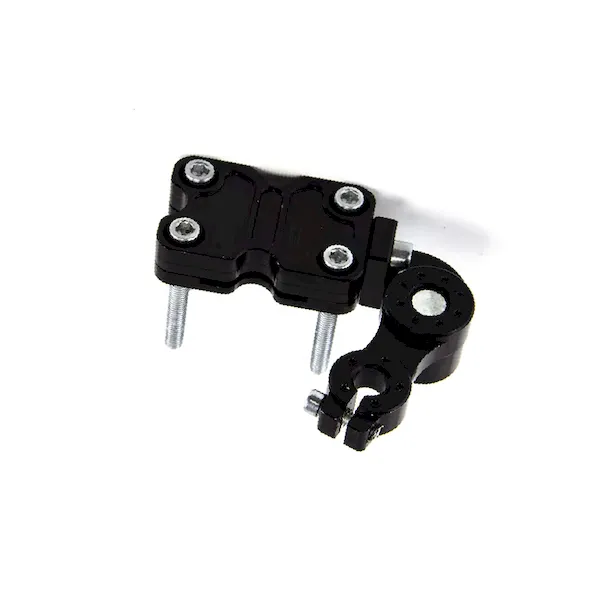
A tensioner actively changes chain path or force to control slack, while a guide primarily constrains chain location and suppresses lateral or vertical movement. For chain tensioner vs chain guide vs idler sprocket: what is the difference, treat slack strand as a distinct inspection input before any tensioner movement is made.
An idler sprocket is a toothed rotating element that changes path or increases wrap; it may be used as part of a tensioning arrangement but it is not synonymous with the complete tensioner. Use the finding to validate tensioner travel rather than relying on visible chain tightness.
BEFORE YOU SELECT
Do not select the tensioner yet. First capture slack strand, sprocket wrap, chain route, load behavior, remaining take-up space, and the maintenance access needed after installation.
Compare the Alternatives at the Drive Level
A sliding guide shoe has no toothed engagement and relies on compatible sliding material, lubrication conditions, and sufficient wear thickness for the application. Keep the original datum for sprocket alignment so the finding can be reproduced after the change.
A toothed idler must match chain pitch and width and introduces bearing speed and tooth-engagement checks that a fixed guide does not have. This evidence helps decide whether chain tensioner vs chain guide vs idler sprocket: what is the difference calls for adjustment, component correction, or replacement.
- Slack Strand
- Check slack strand against the as-built drive, recording both the value and where it came from.
- Sprocket Wrap
- Capture sprocket wrap before any adjustment and tie the observation to the installed geometry.
- Sprocket Alignment
- Verify sprocket alignment using the machine, drawing, or product data; keep the chosen reference in the job file.
- Tensioner Travel
- Establish tensioner travel from a repeatable field or drawing reference before releasing the tensioner decision.
Geometry, Load, and Adjustment Behavior
Guides are useful on long free spans and in high-speed or pulsating drives where controlling vibration is more important than consuming chain length. For chain tensioner vs chain guide vs idler sprocket: what is the difference, treat slack strand as a distinct inspection input before any tensioner movement is made.
- →Primary check: Guides are useful on long free spans and in high-speed or pulsating drives where controlling vibration is more important than consuming chain length.
- →Condition check: The three devices can be combined: a drive may use an adjustable idler to set slack and a separate guide to prevent span vibration elsewhere.
- →Geometry check: A tensioner actively changes chain path or force to control slack, while a guide primarily constrains chain location and suppresses lateral or vertical movement.
- →Operating check: A sliding guide shoe has no toothed engagement and relies on compatible sliding material, lubrication conditions, and sufficient wear thickness for the application.
- →Documentation check: record chain tensioner vs chain guide vs idler sprocket: what is the difference with the measurement references and the final tensioner position.

Where Each Option Fits Best
A spring tensioner can follow some change in chain length, whereas a fixed guide normally cannot take up wear automatically unless the mounting itself is adjustable. Log the condition with sprocket wrap before changing tensioner position or travel.
| Check point | Where the evidence comes from | Decision consequence |
|---|---|---|
| Tensioner position | A tensioner actively changes chain path or force to control slack, while a guide. | Guides are useful on long free spans and in high-speed or pulsating drives. |
| Sprocket engagement | An idler sprocket is a toothed rotating element that changes path or increases wrap. | A spring tensioner can follow some change in chain length, whereas a fixed. |
| Alignment | A sliding guide shoe has no toothed engagement and relies on compatible sliding material. | The three devices can be combined: a drive may use an adjustable idler. |
| Wear elongation | A toothed idler must match chain pitch and width and introduces bearing speed and. | Choose by required function first—take up slack, change wrap, support a long span. |
| Working travel | Guides are useful on long free spans and in high-speed or pulsating drives where. | A tensioner actively changes chain path or force to control slack, while a. |
| Lubrication | A spring tensioner can follow some change in chain length, whereas a fixed guide. | An idler sprocket is a toothed rotating element that changes path or increases. |
| Machine-specific limits override generic practice whenever they define slack strand more precisely. | ||
Decision Sequence for Chain Tensioner Vs Chain Guide Vs Idler Sprocket: What Is The Difference
The three devices can be combined: a drive may use an adjustable idler to set slack and a separate guide to prevent span vibration elsewhere. Compare this condition with sprocket alignment and the actual sprocket engagement before release.
- 01Capture Slack Strand
Guides are useful on long free spans and in high-speed or pulsating drives where controlling vibration is more important than consuming chain length. - 02Map Sprocket Wrap
A spring tensioner can follow some change in chain length, whereas a fixed guide normally cannot take up wear automatically unless the mounting itself. - 03Inspect Sprocket Alignment
The three devices can be combined: a drive may use an adjustable idler to set slack and a separate guide to prevent span vibration. - 04Compare Tensioner Travel
Choose by required function first—take up slack, change wrap, support a long span, or control tracking—then check the component that performs that function. - 05Set Slack Strand
A tensioner actively changes chain path or force to control slack, while a guide primarily constrains chain location and suppresses lateral or vertical movement. - 06Verify Sprocket Wrap
An idler sprocket is a toothed rotating element that changes path or increases wrap; it may be used as part of a tensioning arrangement.
Choose by required function first—take up slack, change wrap, support a long span, or control tracking—then check the component that performs that function. Use the finding to validate tensioner travel rather than relying on visible chain tightness.

Tradeoffs That Matter in Service
The decision should reconcile slack strand, sprocket wrap, chain/sprocket condition, available tensioner travel, and the operating cycle. A visually taut strand alone is not proof of a correct setup.
Make slack strand traceable in the service record and verify sprocket wrap after hand rotation and the first controlled run.
Visible chain tightness does not prove correct slack strand; check component condition, alignment, and the documented operating limits.
Choose From Evidence, Not Preference
Do not invent model-specific numbers. Use the chain/tensioner datasheet and equipment instructions for fastener torque, wear limits, lubrication, ratings, travel limits, and critical clearances relevant to slack strand. In this article, apply that check specifically to chain tensioner vs chain guide vs idler sprocket: what is the difference.
For adjacent drive constraints, compare sprocket and chain drive geometry with the proposed contact location, sprocket engagement, and sprocket wrap.
Once the chain route is known, compare tensioner options for chain tensioner vs chain guide vs idler sprocket: what is the difference against slack strand, sprocket wrap, and the installation constraints.
- ✓Slack Strand: An idler sprocket is a toothed rotating element that changes path or increases wrap; it may.
- →Sprocket Wrap: A toothed idler must match chain pitch and width and introduces bearing speed and tooth-engagement checks.
- ◆Sprocket Alignment: A spring tensioner can follow some change in chain length, whereas a fixed guide normally cannot.
- ✓Tensioner Travel: Choose by required function first—take up slack, change wrap, support a long span, or control tracking—then.
- →Slack Strand: An idler sprocket is a toothed rotating element that changes path or increases wrap; it may.
FAQ: Chain Tensioner Vs Chain Guide Vs Idler Sprocket: What Is The Difference
Record the final condition: chain designation, slack strand, sprocket wrap, contact position, remaining travel, direction of motion, and the result of the run check.
If fit or travel remains uncertain, document slack strand, sprocket wrap, chain path, direction, environmental conditions, and service access. request a review for chain tensioner vs chain guide vs idler sprocket: what is the difference before ordering.

Document the Preferred Configuration
What evidence starts a reliable chain tensioner vs chain guide vs idler sprocket: what is the difference assessment?
The three devices can be combined: a drive may use an adjustable idler to set slack and a separate guide to prevent. Confirm it against sprocket wrap, chain condition, and the actual free-span behavior before changing the setup.
How should slack strand be interpreted alongside sprocket wrap?
Choose by required function first—take up slack, change wrap, support a long span, or control tracking—then check the component that performs that. No: slack strand must be evaluated with sprocket wrap, mounting interfaces, chain/sprocket wear, and operating duty.
What finding makes more tension inappropriate?
A tensioner actively changes chain path or force to control slack, while a guide primarily constrains chain location and suppresses lateral or. A root-cause correction comes first when inspection identifies wear beyond limit, damage, misalignment, or incorrect geometry.
What should the first controlled run confirm about sprocket wrap?
An idler sprocket is a toothed rotating element that changes path or increases wrap; it may be used as part of a. Use a repeatable pre/post check of sprocket wrap and document tracking, contact, noise, and remaining travel during the safe trial run.
When is a worn component the real limit rather than tensioner position?
A sliding guide shoe has no toothed engagement and relies on compatible sliding material, lubrication conditions, and sufficient wear thickness for the. Use replacement rather than more adjustment when the documented wear criterion is met or a component can no longer support stable geometry.
Which engineering limits should never be guessed for chain tensioner vs chain guide vs idler sprocket: what is the difference?
For chain tensioner vs chain guide vs idler sprocket: what is the difference, model-specific documents govern fastener torque, wear criteria, actuator settings, lubrication, load/speed limits, temperature, and safety clearance.
Document the Preferred Configuration
Prepare the chain tensioner vs chain guide vs idler sprocket: what is the difference RFQ around evidence: chain ID, slack strand, sprocket wrap, sprocket centres, motion direction, working duty, contamination, and mounting constraints.


