
APPLICATION GUIDE | INDEXED MOTION + CONTAMINATION
Chain Tensioners for Packaging and Processing Equipment: Reliability Considerations
Start from the machine duty: verify indexed motion, contamination, contamination, mounting envelope, dynamics, and service access before specifying the tensioner.

Packaging and processing machines often use chain drives for indexed or synchronized motion, making backlash and slack relevant to product position as well as component wear. Log the condition with chain speed before changing tensioner position or travel.
A tensioner should control the return span without adding so much friction that servomotor load, timing repeatability, or low-speed smoothness is affected. For chain tensioners for packaging and processing equipment: reliability considerations, treat contamination as a distinct inspection input before any tensioner movement is made.
ENGINEERING INPUTS
Do not select the tensioner yet. First capture indexed motion, contamination, chain route, load behavior, remaining take-up space, and the maintenance access needed after installation.
Start With the Machine Duty
Compact guarding can restrict tensioner travel and inspection access; the full new-to-worn chain path should be checked inside the real enclosure before finalizing the mount. Use chain speed as a traceable check in this chain tensioners for packaging and processing equipment: reliability considerations assessment.
Food, pharmaceutical, or clean-process zones can impose lubricant, corrosion, cleaning, and debris-shedding requirements that override a standard industrial material choice. Keep the original datum for tensioner travel so the finding can be reproduced after the change.
- Indexed Motion
- Document indexed motion with its reference points so another technician can repeat the check.
- Contamination
- Check contamination against the as-built drive, recording both the value and where it came from.
- Chain Speed
- Capture chain speed before any adjustment and tie the observation to the installed geometry.
- Tensioner Travel
- Verify tensioner travel using the machine, drawing, or product data; keep the chosen reference in the job file.
Map Chain Route, Environment, and Access
Frequent washdown can remove chain lubricant, while dry processes can restrict oil use, so chain type and lubrication strategy need to be coordinated with the tensioner design. This evidence helps decide whether chain tensioners for packaging and processing equipment: reliability considerations calls for adjustment, component correction, or replacement.
- →Primary check: Food, pharmaceutical, or clean-process zones can impose lubricant, corrosion, cleaning, and debris-shedding requirements that override a standard industrial material choice.
- →Condition check: High cycle counts make loose fasteners, bearing play, and pivot wear important trend items even when the nominal transmitted load is modest.
- →Geometry check: Commission under actual indexed motion and product load, then inspect for vibration, chain slap, side rubbing, debris generation, and sufficient reserve tensioner travel.
- →Operating check: A tensioner should control the return span without adding so much friction that servomotor load, timing repeatability, or low-speed smoothness is affected.
- →Documentation check: record chain tensioners for packaging and processing equipment: reliability considerations with the measurement references and the final tensioner position.
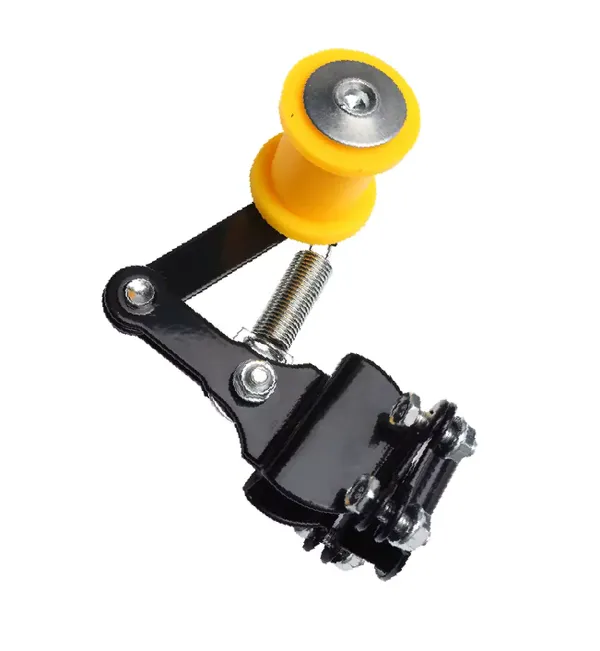
Match the Tensioner to the Application Risk
High cycle counts make loose fasteners, bearing play, and pivot wear important trend items even when the nominal transmitted load is modest. For chain tensioners for packaging and processing equipment: reliability considerations, treat contamination as a distinct inspection input before any tensioner movement is made.
| Interface | Verification method | Engineering consequence |
|---|---|---|
| Process duty | Packaging and processing machines often use chain drives for indexed or synchronized motion, making. | Frequent washdown can remove chain lubricant, while dry processes can restrict oil use. |
| Environment | A tensioner should control the return span without adding so much friction that servomotor. | High cycle counts make loose fasteners, bearing play, and pivot wear important trend. |
| Chain speed | Compact guarding can restrict tensioner travel and inspection access; the full new-to-worn chain path. | If the chain coordinates sensors, flights, or tooling, verify timing after tensioner adjustment. |
| Alignment | Food, pharmaceutical, or clean-process zones can impose lubricant, corrosion, cleaning, and debris-shedding requirements that. | Commission under actual indexed motion and product load, then inspect for vibration, chain. |
| Wear elongation | Frequent washdown can remove chain lubricant, while dry processes can restrict oil use, so. | Packaging and processing machines often use chain drives for indexed or synchronized motion. |
| Working travel | High cycle counts make loose fasteners, bearing play, and pivot wear important trend items. | A tensioner should control the return span without adding so much friction that. |
| These checks organize the review; product-specific ratings and wear criteria remain controlling requirements. | ||
Application Review for Chain Tensioners For Packaging And Processing Equipment: Reliability Considerations
If the chain coordinates sensors, flights, or tooling, verify timing after tensioner adjustment because changing chain path can alter reference position on some mechanisms. Log the condition with chain speed before changing tensioner position or travel.
- 01Capture Indexed Motion
Food, pharmaceutical, or clean-process zones can impose lubricant, corrosion, cleaning, and debris-shedding requirements that override a standard industrial material choice. - 02Map Contamination
Frequent washdown can remove chain lubricant, while dry processes can restrict oil use, so chain type and lubrication strategy need to be coordinated with. - 03Inspect Chain Speed
High cycle counts make loose fasteners, bearing play, and pivot wear important trend items even when the nominal transmitted load is modest. - 04Compare Tensioner Travel
If the chain coordinates sensors, flights, or tooling, verify timing after tensioner adjustment because changing chain path can alter reference position on some mechanisms. - 05Set Indexed Motion
Commission under actual indexed motion and product load, then inspect for vibration, chain slap, side rubbing, debris generation, and sufficient reserve tensioner travel. - 06Verify Contamination
Packaging and processing machines often use chain drives for indexed or synchronized motion, making backlash and slack relevant to product position as well as.
Commission under actual indexed motion and product load, then inspect for vibration, chain slap, side rubbing, debris generation, and sufficient reserve tensioner travel. Compare this condition with tensioner travel and the actual sprocket engagement before release.

Installation and Service Constraints
Combine measured indexed motion, observed contamination, component wear, mounting geometry, and dynamic behavior before releasing the tensioner configuration.
Keep a sketch or photo of the chain route, log indexed motion, and recheck contamination after the machine reaches its normal running state.
A catalogue illustration is not a setting specification for contamination; confirm limits in the chain, tensioner, and machine documentation.
Commissioning Checks for the Application
Release data for chain tensioners for packaging and processing equipment: reliability considerations must separate measured field conditions from manufacturer-defined limits such as torque, wear allowance, working travel, lubrication, load/speed rating, and temperature range.
When evaluating the complete drive, use sprocket and chain drive geometry as a cross-check for chain routing around the proposed chain tensioners for packaging and processing equipment: reliability considerations arrangement.
Translate the field data into a hardware shortlist with tensioner options for chain tensioners for packaging and processing equipment: reliability considerations; reject options that conflict with indexed motion or service access.
- ✓Indexed Motion: A tensioner should control the return span without adding so much friction that servomotor load, timing.
- →Contamination: Food, pharmaceutical, or clean-process zones can impose lubricant, corrosion, cleaning, and debris-shedding requirements that override a.
- ◆Chain Speed: High cycle counts make loose fasteners, bearing play, and pivot wear important trend items even when.
- ✓Tensioner Travel: Commission under actual indexed motion and product load, then inspect for vibration, chain slap, side rubbing.
- →Indexed Motion: A tensioner should control the return span without adding so much friction that servomotor load, timing.
FAQ: Chain Tensioners For Packaging And Processing Equipment: Reliability Considerations
Create a repeatable baseline for the next inspection by logging chain ID, indexed motion, contamination, mounting location, wear evidence, operating direction, and final action.
When catalogue data do not resolve chain tensioners for packaging and processing equipment: reliability considerations, send the drive sketch, chain ID, indexed motion, contamination, operating cycle, and envelope. request a review for chain tensioners for packaging and processing equipment: reliability considerations before modifying the machine.

Prepare Application Data for the RFQ
Which datum anchors the chain tensioners for packaging and processing equipment: reliability considerations review?
High cycle counts make loose fasteners, bearing play, and pivot wear important trend items even when the nominal transmitted load is modest. Cross-check the first reading against contamination and the sprocket engagement seen on the real machine.
Why must indexed motion be paired with other drive evidence?
If the chain coordinates sensors, flights, or tooling, verify timing after tensioner adjustment because changing chain path can alter reference position on. A reliable decision also needs chain condition, sprocket condition, mounting geometry, and remaining travel.
What evidence rules out simple readjustment?
Commission under actual indexed motion and product load, then inspect for vibration, chain slap, side rubbing, debris generation, and sufficient reserve tensioner. Investigate root cause first if wear, broken parts, shaft/sprocket misalignment, or unstable chain routing is present.
How should contamination be rechecked during commissioning?
Packaging and processing machines often use chain drives for indexed or synchronized motion, making backlash and slack relevant to product position as. Recheck contamination after the tensioner settles, recording the same datum and any dynamic change.
When does component condition override a take-up adjustment?
A tensioner should control the return span without adding so much friction that servomotor load, timing repeatability, or low-speed smoothness is affected. Replacement is preferred once a documented service limit is reached or geometry cannot be held throughout operation.
Which specifications require the exact chain or tensioner model?
For chain tensioners for packaging and processing equipment: reliability considerations, obtain all critical limits from chain, tensioner, and machine documentation instead of generalizing them.
Prepare Application Data for the RFQ
Send measured drive data for chain tensioners for packaging and processing equipment: reliability considerations: chain identification, indexed motion, contamination, sprocket layout, operating cycle, environment, and available installation envelope.


