
COMPATIBILITY GUIDE | CHAIN PITCH + REFERENCE POINTS
How to Size a Chain Tensioner for Chain Pitch and Strand Width
Confirm chain pitch, reference points, mounting geometry, operating limits, and service access before treating a tensioner as compatible. In this article, apply that check specifically to sizing a chain tensioner for chain pitch and strand width.
Sizing starts with the exact chain designation or measured pitch, roller diameter, inner width, plate envelope, and number of strands; nominal pitch alone does not define the contact geometry. For sizing a chain tensioner for chain pitch and strand width, treat chain pitch as a distinct inspection input prior to repositioning the tensioning unit.
A toothed idler must match the chain pitch and have a face width or multiple-strand arrangement that supports the correct rows without side interference. Use the finding to validate tensioner travel rather than relying on visible chain tightness.
BEFORE YOU ADJUST
Do not select the tensioner yet. First capture chain pitch, reference points, chain route, load behavior, remaining take-up space, and the maintenance access needed after installation. In this article, apply that check specifically to sizing a chain tensioner for chain pitch and strand width.
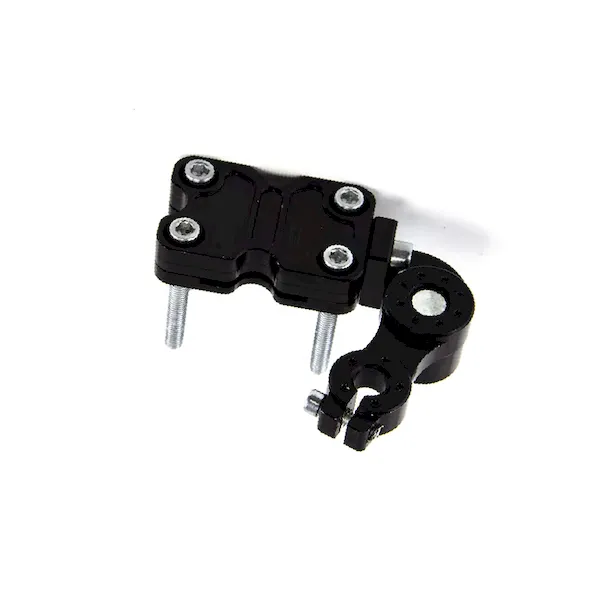
chain tensioner guidance for sizing a chain tensioner for chain pitch and strand width
Interfaces That Must Match
A smooth roller or shoe needs enough usable width for tracking variation but should not guide the chain by rubbing link-plate edges unless the design intentionally provides side guidance. Keep the original datum for sprocket alignment so the finding can be reproduced after the change.
Strand count changes the moving width and load distribution. A device sized for simplex chain can be physically too narrow or structurally inadequate for duplex or triplex chain. This evidence helps decide whether sizing a chain tensioner for chain pitch and strand width calls for adjustment, component correction, or replacement.
- Chain Pitch
- Check chain pitch against the as-built drive, recording both the value and where it came from.
- Reference Points
- Capture reference points before any adjustment and tie the observation to the installed geometry.
- Sprocket Alignment
- Verify sprocket alignment using the machine, drawing, or product data; keep the chosen reference in the job file.
- Tensioner Travel
- Establish tensioner travel from a repeatable field or drawing reference before releasing the tensioner decision.
Verify Chain and Mounting Geometry
Measure the installed chain, not a loose replacement part only, because spacers, guards, sprocket hubs, and adjacent hardware can limit the real tensioner envelope. For sizing a chain tensioner for chain pitch and strand width, treat chain pitch as a distinct inspection input prior to repositioning the tensioning unit.
- →Primary check: Measure the installed chain, not a loose replacement part only, because spacers, guards, sprocket hubs, and adjacent hardware can limit the real tensioner envelope.
- →Condition check: For toothed idlers, confirm the selected sprocket series matches the chain standard and roller geometry rather than assuming similar size numbers are interchangeable.
- →Geometry check: Sizing starts with the exact chain designation or measured pitch, roller diameter, inner width, plate envelope, and number of strands; nominal pitch alone does not define the contact geometry.
- →Operating check: A smooth roller or shoe needs enough usable width for tracking variation but should not guide the chain by rubbing link-plate edges unless the design intentionally provides side guidance.
- →Documentation check: record sizing a chain tensioner for chain pitch and strand width with the measurement references and the final tensioner position.

Check Functional Compatibility Under Duty
Check minimum and maximum tensioner positions against the chain path so the roller, sprocket, or shoe remains fully engaged through the intended adjustment range. Log the condition with reference points before changing tensioner position or travel.
| Operating factor | Field confirmation | Selection or service effect |
|---|---|---|
| Chain interface | Sizing starts with the exact chain designation or measured pitch, roller diameter, inner width. | Measure the installed chain, not a loose replacement part only, because spacers, guards. |
| Measurement method | A toothed idler must match the chain pitch and have a face width or. | Check minimum and maximum tensioner positions against the chain path so the roller. |
| Alignment | A smooth roller or shoe needs enough usable width for tracking variation but should. | For toothed idlers, confirm the selected sprocket series matches the chain standard and. |
| Wear elongation | Strand count changes the moving width and load distribution. A device sized for simplex. | Document pitch, roller diameter, inner width, overall chain width, strand spacing, proposed contact. |
| Working travel | Measure the installed chain, not a loose replacement part only, because spacers, guards, sprocket. | Sizing starts with the exact chain designation or measured pitch, roller diameter, inner. |
| Lubrication | Check minimum and maximum tensioner positions against the chain path so the roller, sprocket. | A toothed idler must match the chain pitch and have a face width. |
| Confirm the final arrangement against the chain, tensioner, and equipment documentation before operation. | ||
Compatibility Review for Sizing A Chain Tensioner For Chain Pitch And Strand Width
For toothed idlers, confirm the selected sprocket series matches the chain standard and roller geometry rather than assuming similar size numbers are interchangeable. Compare this condition with sprocket alignment and the actual sprocket engagement before release.
- 01Capture Chain Pitch
Measure the installed chain, not a loose replacement part only, because spacers, guards, sprocket hubs, and adjacent hardware can limit the real tensioner envelope. - 02Map Reference Points
Check minimum and maximum tensioner positions against the chain path so the roller, sprocket, or shoe remains fully engaged through the intended adjustment range. - 03Inspect Sprocket Alignment
For toothed idlers, confirm the selected sprocket series matches the chain standard and roller geometry rather than assuming similar size numbers are interchangeable. - 04Compare Tensioner Travel
Document pitch, roller diameter, inner width, overall chain width, strand spacing, proposed contact width, shaft diameter, and bearing arrangement on the selection sheet. - 05Set Chain Pitch
Sizing starts with the exact chain designation or measured pitch, roller diameter, inner width, plate envelope, and number of strands; nominal pitch alone does. - 06Verify Reference Points
A toothed idler must match the chain pitch and have a face width or multiple-strand arrangement that supports the correct rows without side interference.
Document pitch, roller diameter, inner width, overall chain width, strand spacing, proposed contact width, shaft diameter, and bearing arrangement on the selection sheet. Use the finding to validate tensioner travel rather than relying on visible chain tightness.

Mismatch Risks to Eliminate
The decision should reconcile chain pitch, reference points, chain/sprocket condition, available tensioner travel, and the operating cycle. A visually taut strand alone is not proof of a correct setup. In this article, apply that check specifically to sizing a chain tensioner for chain pitch and strand width.
For this sizing a chain tensioner for chain pitch and strand width task, combine geometry, component condition, chain pitch, and a repeatable operating observation.
Do not spend the remaining tensioner travel merely to hide wear connected with reference points; determine whether repair or replacement is required.
Final Fit and Function Verification
For sizing a chain tensioner for chain pitch and strand width, obtain torque values, allowable wear, actuator or spring settings, lubricant requirements, speed/load ratings, temperature limits, and safety clearances from the applicable product or machine documentation.
A system-level review may reference roller chain engineering resources while checking how the tensioner changes free span, wrap, and surrounding clearances.
Build the product shortlist from tensioner options for sizing a chain tensioner for chain pitch and strand width only after chain pitch and reference points have been verified on the machine.
- ✓Chain Pitch: A toothed idler must match the chain pitch and have a face width or multiple-strand arrangement.
- →Reference Points: Strand count changes the moving width and load distribution. A device sized for simplex chain can.
- ◆Sprocket Alignment: Check minimum and maximum tensioner positions against the chain path so the roller, sprocket, or shoe.
- ✓Tensioner Travel: Document pitch, roller diameter, inner width, overall chain width, strand spacing, proposed contact width, shaft diameter.
- →Chain Pitch: A toothed idler must match the chain pitch and have a face width or multiple-strand arrangement.
FAQ: Sizing A Chain Tensioner For Chain Pitch And Strand Width
Record the final condition: chain designation, chain pitch, reference points, contact position, remaining travel, direction of motion, and the result of the run check.
A custom check needs chain ID, chain pitch, reference points, sprocket layout, motion direction, load pattern, and mounting envelope. request a review for sizing a chain tensioner for chain pitch and strand width with those details.

Prepare Compatibility Data for Supplier Review
What should go in the initial record for sizing a chain tensioner for chain pitch and strand width?
For toothed idlers, confirm the selected sprocket series matches the chain standard and roller geometry rather than assuming similar size numbers are. After recording it, verify reference points and the relevant chain/sprocket interface so the first conclusion is not isolated.
Can a decision be based only on chain pitch?
Document pitch, roller diameter, inner width, overall chain width, strand spacing, proposed contact width, shaft diameter, and bearing arrangement on the selection. The reading needs context from reference points, component condition, direction of motion, and the real service cycle.
Which observation means the root cause is elsewhere?
Sizing starts with the exact chain designation or measured pitch, roller diameter, inner width, plate envelope, and number of strands; nominal pitch. Stop tensioning if the primary fault is misalignment, damaged teeth, seized components, or wear that already requires replacement.
How should the technician validate reference points after adjustment?
A toothed idler must match the chain pitch and have a face width or multiple-strand arrangement that supports the correct rows without. Reproduce the original measurement method for reference points during commissioning and note any movement, vibration, or contact change.
At what point should take-up stop and replacement be considered?
A smooth roller or shoe needs enough usable width for tracking variation but should not guide the chain by rubbing link-plate edges. If a part is beyond its specified wear allowance or cannot retain the required chain path, replacement takes precedence over take-up.
Where should torque, wear, setting, and rating limits come from?
Use the exact documentation for sizing a chain tensioner for chain pitch and strand width whenever a decision depends on torque, wear allowance, tensioning setting, lubricant, rating, temperature, or clearance.
Prepare Compatibility Data for Supplier Review
For technical review, pair chain pitch and reference points with chain/sprocket data, direction, duty, environment, available travel, and an installation drawing for sizing a chain tensioner for chain pitch and strand width.


