
SELECTION GUIDE | CHAIN SPEED + SHOCK LOAD
How Chain Speed, Load, and Shock Affect Chain Tensioner Design
Select a tensioner by checking chain speed, shock load, drive geometry, operating duty, and available working travel—not by product appearance alone.

Chain speed determines how frequently rollers articulate and mesh; load determines the transmitted force; shock determines how rapidly that force changes. A tensioner design has to survive the combination. This evidence helps decide whether speed, load, and shock effects on chain tensioner design calls for adjustment, component correction, or replacement.
At higher speed, an idler may rotate much faster than the driven sprocket because of its smaller diameter, so bearing speed and balance require an explicit check. Relate the observation to tensioner travel, then verify it again during the operating check.
선택하기 전에
Record chain speed, shock load, sprocket centres, chain path, rotation direction, operating duty, and the usable mounting envelope.
chain tensioner guidance for speed, load, and shock effects on chain tensioner design
Operating Conditions That Control Chain Speed
Repeated impact or indexing can cause the free strand to oscillate even when average torque is modest; the tensioner must control motion without becoming a rigid impact stop. Use the finding to validate sprocket alignment rather than relying on visible chain tightness.
A heavy, slow tensioner arm may respond poorly to rapid span movement, whereas an overly light device can lack stiffness or durability for a harsh load cycle. For speed, load, and shock effects on chain tensioner design, treat tensioner travel as its own documented variable ahead of a tensioner setting change.
- 체인 속도
- Confirm chain speed from a drawing or field reading, then identify that source in the speed, load, and shock effects on chain tensioner design record.
- 충격 하중
- Inspect shock load on the actual machine and retain the measurement basis for later comparison.
- 스프로킷 정렬
- 스프로킷 정렬 상태를 기준점과 함께 기록하여 다른 기술자가 점검을 반복할 수 있도록 하십시오.
- 텐셔너 트래블
- 텐셔너의 이동 거리를 실제 구동 장치와 비교하여 확인하고, 측정값과 그 출처를 기록하십시오.
검증할 형상 및 인터페이스
The mounting bracket is part of the dynamic system. Deflection at the bracket can add effective travel, change alignment, and shift the system’s vibration behavior. Use chain speed as a traceable check in this speed, load, and shock effects on chain tensioner design assessment.
- →기본 확인 사항: At higher speed, an idler may rotate much faster than the driven sprocket because of its smaller diameter, so bearing speed and balance require an explicit check.
- →상태 점검: A heavy, slow tensioner arm may respond poorly to rapid span movement, whereas an overly light device can lack stiffness or durability for a harsh load cycle.
- →기하 구조 확인: Higher contact force is not a substitute for dynamic design because it can raise joint friction and shaft loads while leaving resonance or misalignment unresolved.
- →작동 점검: A guarded trial run should observe span motion over the full operating range, not only at idle speed or with the machine unloaded.
- →서류 확인: record speed, load, and shock effects on chain tensioner design with the measurement references and the final tensioner position.

텐셔너 개념과 작동 조건을 비교하십시오.
Higher contact force is not a substitute for dynamic design because it can raise joint friction and shaft loads while leaving resonance or misalignment unresolved. Keep the original datum for shock load so the finding can be reproduced after the change.
| 체크포인트 | 증거의 출처는 어디인가요? | 결정의 결과 |
|---|---|---|
| 체인 속도 | Chain speed determines how frequently rollers articulate and mesh; load determines the transmitted force. | The mounting bracket is part of the dynamic system. Deflection at the bracket. |
| 부하 심각도 | At higher speed, an idler may rotate much faster than the driven sprocket because. | Higher contact force is not a substitute for dynamic design because it can. |
| 조정 | Repeated impact or indexing can cause the free strand to oscillate even when average. | Use actual torque history, starts per cycle, reversal frequency, chain speed, idler diameter. |
| 마모 신장 | A heavy, slow tensioner arm may respond poorly to rapid span movement, whereas an. | A guarded trial run should observe span motion over the full operating range. |
| 출장 | The mounting bracket is part of the dynamic system. Deflection at the bracket can. | Chain speed determines how frequently rollers articulate and mesh; load determines the transmitted. |
| 매끄럽게 하기 | Higher contact force is not a substitute for dynamic design because it can raise. | At higher speed, an idler may rotate much faster than the driven sprocket. |
| Machine-specific limits override generic practice whenever they define chain speed more precisely. | ||
Selection Sequence for Speed, Load, And Shock Effects On Chain Tensioner Design
Use actual torque history, starts per cycle, reversal frequency, chain speed, idler diameter, and available damping when evaluating a demanding drive. This evidence helps decide whether speed, load, and shock effects on chain tensioner design calls for adjustment, component correction, or replacement.
- 01Capture Chain Speed
At higher speed, an idler may rotate much faster than the driven sprocket because of its smaller diameter, so bearing speed and balance require. - 02지도 충격 부하
Repeated impact or indexing can cause the free strand to oscillate even when average torque is modest; the tensioner must control motion without becoming. - 03스프로킷 정렬 상태 점검
A heavy, slow tensioner arm may respond poorly to rapid span movement, whereas an overly light device can lack stiffness or durability for a. - 04텐셔너 이동 거리를 비교하세요
The mounting bracket is part of the dynamic system. Deflection at the bracket can add effective travel, change alignment, and shift the system’s vibration. - 05Set Chain Speed
Higher contact force is not a substitute for dynamic design because it can raise joint friction and shaft loads while leaving resonance or misalignment. - 06충격 하중 검증
Use actual torque history, starts per cycle, reversal frequency, chain speed, idler diameter, and available damping when evaluating a demanding drive.
A guarded trial run should observe span motion over the full operating range, not only at idle speed or with the machine unloaded. For speed, load, and shock effects on chain tensioner design, treat tensioner travel as its own documented variable ahead of a tensioner setting change.

선택에 영향을 미치는 위험 요소
Accept the arrangement only when chain speed and shock load agree with chain condition, sprocket engagement, travel reserve, and the machine duty—not merely with how tight the chain looks.
Make chain speed traceable in the service record and verify shock load after hand rotation and the first controlled run.
Visible chain tightness does not prove correct chain speed; check component condition, alignment, and the documented operating limits.
주문 전 릴리스 확인
Release data for speed, load, and shock effects on chain tensioner design must separate measured field conditions from manufacturer-defined limits such as torque, wear allowance, working travel, lubrication, load/speed rating, and temperature range.
인접 드라이브 제약 조건의 경우 비교하십시오. 동력 전달 체인 드라이브 설계 with the proposed contact location, sprocket engagement, and shock load.
체인 경로를 알게 되면 비교하십시오. tensioner options for speed, load, and shock effects on chain tensioner design against chain speed, shock load, and the installation constraints.
- ✓Chain Speed: At higher speed, an idler may rotate much faster than the driven sprocket because of its.
- →Shock Load: A heavy, slow tensioner arm may respond poorly to rapid span movement, whereas an overly light.
- ◆Sprocket Alignment: Higher contact force is not a substitute for dynamic design because it can raise joint friction.
- ✓Tensioner Travel: A guarded trial run should observe span motion over the full operating range, not only at.
- →Chain Speed: At higher speed, an idler may rotate much faster than the driven sprocket because of its.
FAQ: Speed, Load, And Shock Effects On Chain Tensioner Design
Record the final condition: chain designation, chain speed, shock load, contact position, remaining travel, direction of motion, and the result of the run check.
If fit or travel remains uncertain, document chain speed, shock load, chain path, direction, environmental conditions, and service access. request a review for speed, load, and shock effects on chain tensioner design 주문하기 전에.
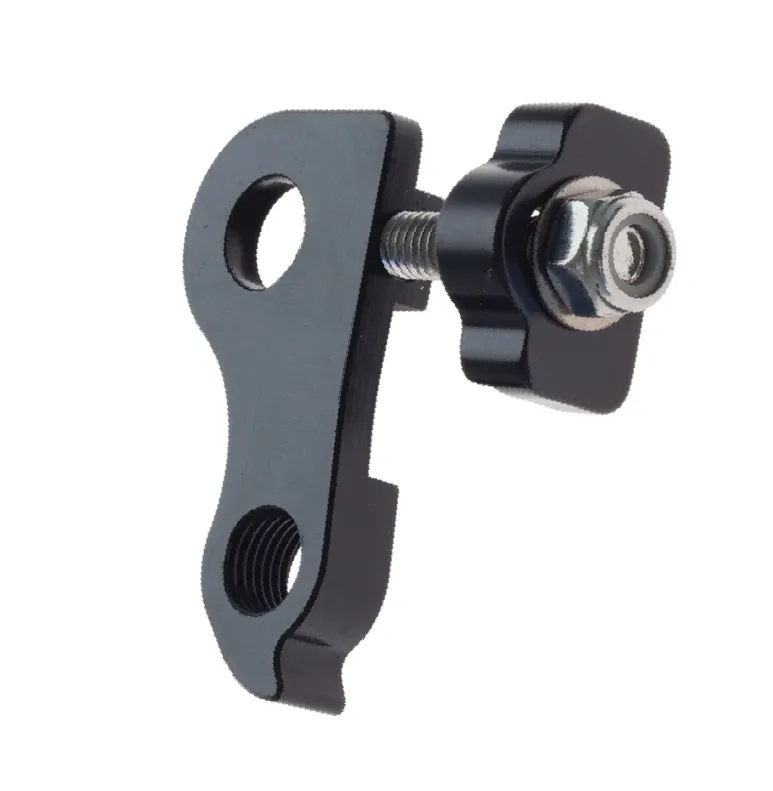
Prepare the RFQ for Speed, Load, And Shock Effects On Chain Tensioner Design
What evidence starts a reliable speed, load, and shock effects on chain tensioner design assessment?
A heavy, slow tensioner arm may respond poorly to rapid span movement, whereas an overly light device can lack stiffness or durability. Confirm it against shock load, chain condition, and the actual free-span behavior before changing the setup.
How should chain speed be interpreted alongside shock load?
The mounting bracket is part of the dynamic system. Deflection at the bracket can add effective travel, change alignment, and shift the. No: chain speed must be evaluated with shock load, mounting interfaces, chain/sprocket wear, and operating duty.
어떤 발견이 더 많은 긴장감을 부적절하게 만드는가?
Higher contact force is not a substitute for dynamic design because it can raise joint friction and shaft loads while leaving resonance. A root-cause correction comes first when inspection identifies wear beyond limit, damage, misalignment, or incorrect geometry.
What should the first controlled run confirm about shock load?
Use actual torque history, starts per cycle, reversal frequency, chain speed, idler diameter, and available damping when evaluating a demanding drive. Use a repeatable pre/post check of shock load and document tracking, contact, noise, and remaining travel during the safe trial run.
마모된 부품이 장력 조절 위치보다 실제적인 한계점이 되는 경우는 언제일까요?
A guarded trial run should observe span motion over the full operating range, not only at idle speed or with the machine. Use replacement rather than more adjustment when the documented wear criterion is met or a component can no longer support stable geometry.
Which engineering limits should never be guessed for speed, load, and shock effects on chain tensioner design?
For speed, load, and shock effects on chain tensioner design, model-specific documents govern fastener torque, wear criteria, actuator settings, lubrication, load/speed limits, temperature, and safety clearance.
Prepare the RFQ for Speed, Load, And Shock Effects On Chain Tensioner Design
Prepare the speed, load, and shock effects on chain tensioner design RFQ around evidence: chain ID, chain speed, shock load, sprocket centres, motion direction, working duty, contamination, and mounting constraints.


