
SELECTION GUIDE | REVERSING DRIVE + SHOCK LOAD
如何为反向链传动装置选择合适的链条张紧器
Select a tensioner by checking reversing drive, shock load, drive geometry, operating duty, and available working travel—not by product appearance alone.

Reversal changes which strand carries the main transmitted load, so a tensioner that is correct in forward rotation can be on the wrong functional side in reverse. Use slack strand as a traceable check in this selection of a chain tensioner for reversing chain drives assessment.
Record the torque level and duration in each direction; occasional low-torque positioning reversals create different requirements from continuous bidirectional power transmission. For selection of a chain tensioner for reversing chain drives, treat shock load as a separately logged condition before the adjuster position is changed.
选择之前
Record reversing drive, shock load, sprocket centres, chain path, rotation direction, operating duty, and the usable mounting envelope.
chain tensioner guidance for selection of a chain tensioner for reversing chain drives
Operating Conditions That Control Reversing Drive
A spring arm must be checked for force direction and over-center behavior in both states so chain pull cannot drive the mechanism into an unstable or locked position. Log the condition with slack strand before changing tensioner position or travel.
Paired tensioners can control both strands, but they must not fight each other by imposing unnecessary preload when one span becomes tight. Compare this condition with tensioner travel and the actual sprocket engagement before release.
- Reversing Drive
- Establish reversing drive from a repeatable field or drawing reference before releasing the tensioner decision.
- 冲击载荷
- Measure shock load at the installed interface; note the datum used for the selection of a chain tensioner for reversing chain drives review.
- 松弛的
- Confirm slack strand from a drawing or field reading, then identify that source in the selection of a chain tensioner for reversing chain drives record.
- 张紧器行程
- 在实际机器上检查张紧器行程,并保留测量基准以便日后比较。
几何形状和界面验证
A central or floating arrangement may follow geometry in both directions, yet its freedom of movement must be bounded so it cannot contact surrounding structure. Use the finding to validate reversing drive rather than relying on visible chain tightness.
- →初步检查: The drawing should mark both forward and reverse tight/slack strands, tensioner travel limits, and expected chain path before hardware is released.
- →状况检查: Record the torque level and duration in each direction; occasional low-torque positioning reversals create different requirements from continuous bidirectional power transmission.
- →几何检查: Paired tensioners can control both strands, but they must not fight each other by imposing unnecessary preload when one span becomes tight.
- →运行检查: Backlash, coast-down, and sudden torque sign changes can create a short impact as slack transfers from one side to the other; observe this transition during commissioning.
- →文件检查: record selection of a chain tensioner for reversing chain drives with the measurement references and the final tensioner position.
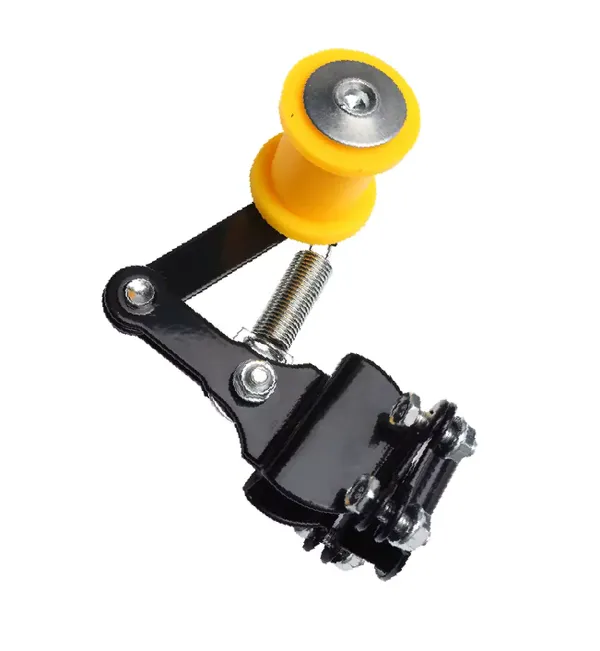
将张紧器概念与职责进行比较
Backlash, coast-down, and sudden torque sign changes can create a short impact as slack transfers from one side to the other; observe this transition during commissioning. For selection of a chain tensioner for reversing chain drives, treat shock load as a separately logged condition before the adjuster position is changed.
| 决策输入 | 如何检查它 | Effect on reversing drive |
|---|---|---|
| Direction reversal | Reversal changes which strand carries the main transmitted load, so a tensioner that is. | A central or floating arrangement may follow geometry in both directions, yet its. |
| 负载严重性 | Record the torque level and duration in each direction; occasional low-torque positioning reversals create. | Backlash, coast-down, and sudden torque sign changes can create a short impact as. |
| 张紧器位置 | A spring arm must be checked for force direction and over-center behavior in both. | Sprocket wrap must remain acceptable in both directions because an idler position that. |
| 结盟 | Paired tensioners can control both strands, but they must not fight each other by. | The drawing should mark both forward and reverse tight/slack strands, tensioner travel limits. |
| 磨损伸长率 | A central or floating arrangement may follow geometry in both directions, yet its freedom. | Reversal changes which strand carries the main transmitted load, so a tensioner that. |
| 工作旅行 | Backlash, coast-down, and sudden torque sign changes can create a short impact as slack. | Record the torque level and duration in each direction; occasional low-torque positioning reversals. |
| Where documentation gives a tighter limit for reversing drive, that limit governs the selection of a chain tensioner for reversing chain drives decision. | ||
Selection Sequence for Selection Of A Chain Tensioner For Reversing Chain Drives
Sprocket wrap must remain acceptable in both directions because an idler position that improves one engagement zone can worsen the opposite case. Use slack strand as a traceable check in this selection of a chain tensioner for reversing chain drives assessment.
- 01Capture Reversing Drive
The drawing should mark both forward and reverse tight/slack strands, tensioner travel limits, and expected chain path before hardware is released. - 02冲击载荷图
Reversal changes which strand carries the main transmitted load, so a tensioner that is correct in forward rotation can be on the wrong functional. - 03Inspect Slack Strand
Record the torque level and duration in each direction; occasional low-torque positioning reversals create different requirements from continuous bidirectional power transmission. - 04比较张紧器行程
A spring arm must be checked for force direction and over-center behavior in both states so chain pull cannot drive the mechanism into an. - 05Set Reversing Drive
Paired tensioners can control both strands, but they must not fight each other by imposing unnecessary preload when one span becomes tight. - 06验证冲击载荷
A central or floating arrangement may follow geometry in both directions, yet its freedom of movement must be bounded so it cannot contact surrounding.
The drawing should mark both forward and reverse tight/slack strands, tensioner travel limits, and expected chain path before hardware is released. Keep the original datum for tensioner travel so the finding can be reproduced after the change.

改变选择的风险
Combine measured reversing drive, observed shock load, component wear, mounting geometry, and dynamic behavior before releasing the tensioner configuration.
For selection of a chain tensioner for reversing chain drives, take before-and-after readings of reversing drive and shock load, then confirm stable chain tracking during normal operation.
For selection of a chain tensioner for reversing chain drives, never infer force, torque, wear allowance, or speed capability from shape; use the exact product data.
订购前发布检查
Do not invent model-specific numbers. Use the chain/tensioner datasheet and equipment instructions for fastener torque, wear limits, lubrication, ratings, travel limits, and critical clearances relevant to reversing drive.
有关系统上下文,请比较 链轮和链条传动几何形状 with the selection of a chain tensioner for reversing chain drives layout, focusing on chain route and tooth engagement.
With reversing drive and shock load established, review tensioner options for selection of a chain tensioner for reversing chain drives 按接触几何形状、安装方式、可用行程和工作负荷划分。
- ✓Reversing Drive: Record the torque level and duration in each direction; occasional low-torque positioning reversals create different requirements.
- →Shock Load: Paired tensioners can control both strands, but they must not fight each other by imposing unnecessary.
- ◆Slack Strand: Backlash, coast-down, and sudden torque sign changes can create a short impact as slack transfers from.
- ✓Tensioner Travel: The drawing should mark both forward and reverse tight/slack strands, tensioner travel limits, and expected chain.
- →Reversing Drive: Record the torque level and duration in each direction; occasional low-torque positioning reversals create different requirements.
FAQ: Selection Of A Chain Tensioner For Reversing Chain Drives
Record the final condition: chain designation, reversing drive, shock load, contact position, remaining travel, direction of motion, and the result of the run check.
For non-standard selection of a chain tensioner for reversing chain drives, submit chain ID, reversing drive, shock load, sprocket data, direction, duty, and a drawing. request a review for selection of a chain tensioner for reversing chain drives 购买前。

Prepare the RFQ for Selection Of A Chain Tensioner For Reversing Chain Drives
What should be measured first for selection of a chain tensioner for reversing chain drives?
Record the torque level and duration in each direction; occasional low-torque positioning reversals create different requirements from continuous bidirectional power transmission. Compare the result with shock load and the installed chain route before moving hardware.
Is reversing drive enough to make the decision?
A spring arm must be checked for force direction and over-center behavior in both states so chain pull cannot drive the mechanism. Pair it with shock load, component condition, and working travel; no single reading proves suitability.
哪项发现应该停止进一步调整?
Paired tensioners can control both strands, but they must not fight each other by imposing unnecessary preload when one span becomes tight. Wear, damage, misalignment, or abnormal sprocket condition must be corrected before tension is increased.
How can shock load be checked after the intervention?
A central or floating arrangement may follow geometry in both directions, yet its freedom of movement must be bounded so it cannot. Repeat the same datum during a controlled run and document changes in tracking, noise, contact, or travel.
什么时候应该更换磨损的零件,而不是继续使用链条?
Backlash, coast-down, and sudden torque sign changes can create a short impact as slack transfers from one side to the other; observe. Replace the affected component when it reaches its specified wear limit, is damaged, or cannot maintain acceptable geometry.
Which limits must come from product documentation for selection of a chain tensioner for reversing chain drives?
For selection of a chain tensioner for reversing chain drives, use the exact chain, tensioner, and equipment data for torque, wear, settings, lubrication, ratings, temperature, and clearances.
Prepare the RFQ for Selection Of A Chain Tensioner For Reversing Chain Drives
For selection of a chain tensioner for reversing chain drives, provide chain ID, reversing drive, shock load, sprocket geometry, direction, duty, environment, mounting space, and a drawing or photo.


